


TPA Risk Management
(281) 957-5555 VI

Insights

Practical thinking for VSC leaders.

Short, field-tested perspectives on claims, products, vendors and risk — written from decades inside the industry.

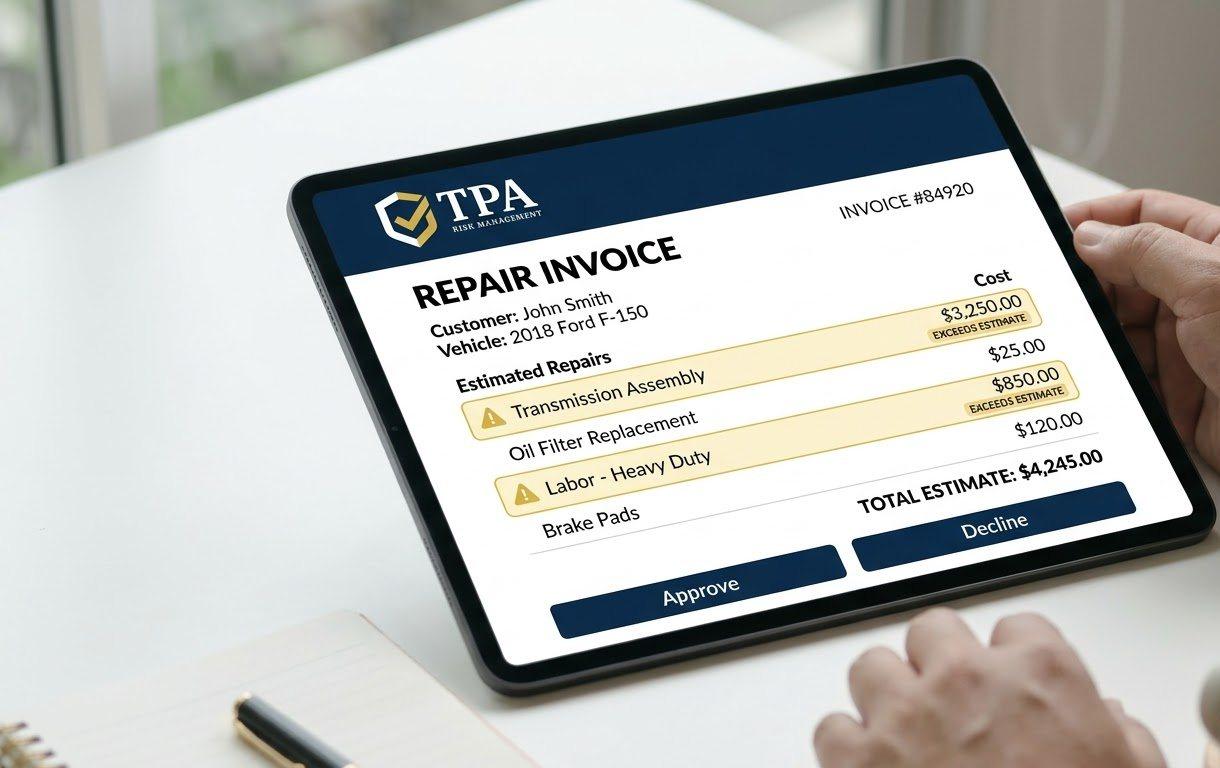
Claims oversight · 4 min read

Five signs your claims operation is leaking money

Claims leakage rarely shows up as one big mistake. It hides in small, repeated habits that look reasonable on any single file.

Claims process · 3 min read

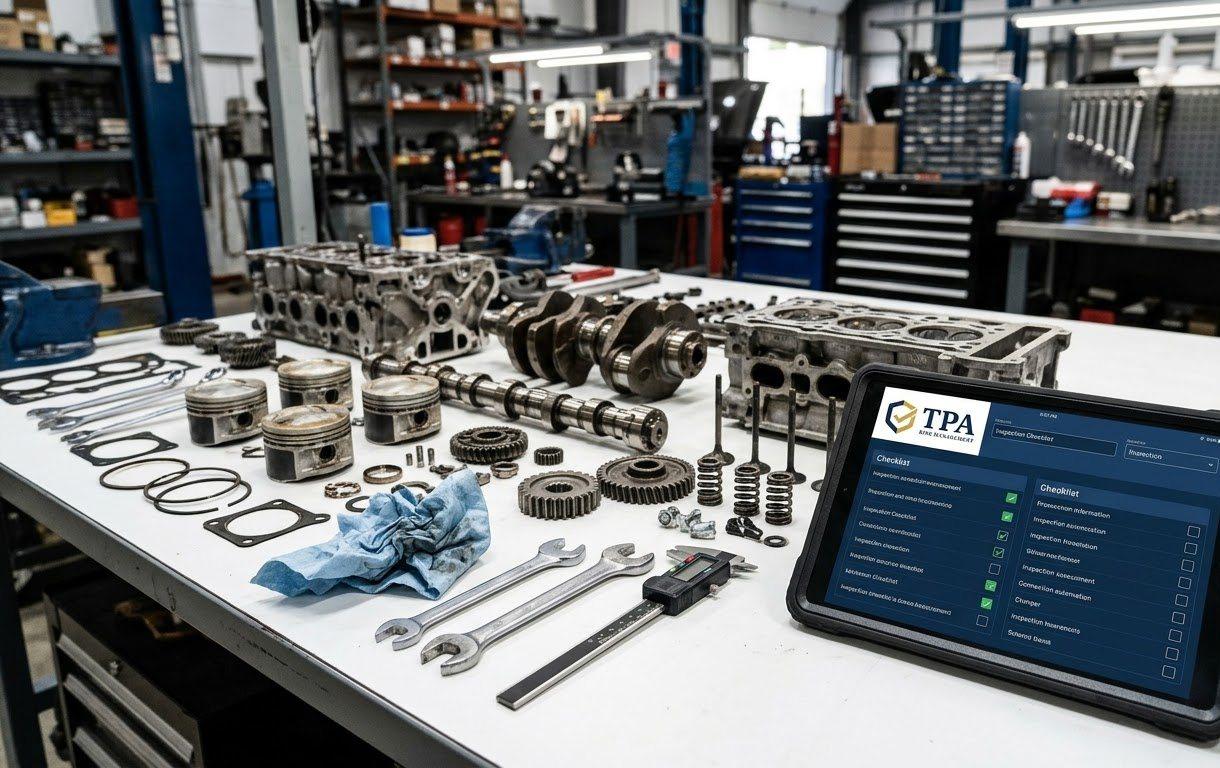
Why premature teardown is the most expensive habit in VSC claims

Once a component is disassembled, the evidence that would have explained the failure is often gone.

Start-up readiness · 3 min read

Launching a new TPA: what must be ready before the first claim

A new program's first year sets habits that are expensive to change later.

Claims oversight · TPARM Insights · 4 min read

Five signs your claims operation is leaking money

Claims leakage rarely shows up as one big mistake. It hides in small, repeated habits that look reasonable on any single file.

Five signs your claims operation is leaking money

Most VSC organizations track what they paid. Fewer can explain why. When leadership reviews severity only at the total level, the habits that drive it stay invisible. These five patterns are the most common early warnings we see.

  1. 01

    Similar facts, different outcomes

    When two adjusters reach different decisions on comparable claims, the process is relying on individual judgment instead of shared standards.

  2. 02

    Teardown before authorization

    Allowing disassembly before the failure is understood removes evidence and weakens the ability to verify cause.

  3. 03

    Inspections by habit

    Inspections ordered on every claim — or on none — signal that inspection is not tied to risk or evidence needs.

  4. 04

    Parts approved without a sourcing check

    Pricing, availability and alternate-part options are skipped when speed matters more than control.

  5. 05

    Reports that show amounts, not reasons

    If claim notes record what was paid but not what was known and verified, the data cannot support pricing or coaching.

Each of these is fixable with clear standards, practical training and reporting that makes decisions visible. The first step is seeing where they happen.

Claims process · TPARM Insights · 3 min read

Why premature teardown is the most expensive habit in VSC claims

Once a component is disassembled, the evidence that would have explained the failure is often gone.

Why premature teardown is the most expensive habit in VSC claims

Repair facilities want to move quickly, and customers want answers. Those are fair goals. But authorizing teardown before the complaint, cause and correction are understood shifts the claim from verification to negotiation.

A disciplined path — intake, the 3Cs, verification of diagnostics, TSBs and maintenance, then determination — keeps the evidence intact until the facts support a decision. Inspections should be used with purpose, based on risk, not habit.

The result is not slower claims. It is fewer disputes, fewer reopened files and decisions that hold up operationally, financially and contractually — and with the customer.

Start-up readiness · TPARM Insights · 3 min read

Launching a new TPA: what must be ready before the first claim

A new program's first year sets habits that are expensive to change later.

Launching a new TPA: what must be ready before the first claim

New administrators often focus on sales and pricing first. Both matter, but claims will test every assumption in the contract. Before volume arrives, four things should be ready.

  1. 01

    Contract language that operations can apply

    Coverage, exclusions, definitions, limits and customer obligations must be clear to the people deciding claims.

  2. 02

    A written claims path

    Intake, documentation, authority levels and escalation rules, in place on day one.

  3. 03

    Trained people

    Sales, service, claims and customer support should understand product intent before they explain it to customers.

  4. 04

    Basic reporting

    Severity, frequency, aging and reasons for decisions — so problems surface early, not at renewal.

A strong start costs far less than a correction. TPARM helps new programs build these foundations from day one.

Complimentary consultation

Start with a 30-minute conversation — at no cost.

Tell us where the business is slowing down. We'll share an honest first view and a suggested starting point, with no obligation.

Bring us your toughest claims question. We've seen it before.

Start with a complimentary 30-minute consultation. We'll listen first and recommend the highest-value starting point.

Contact TPARM(281) 957-5555